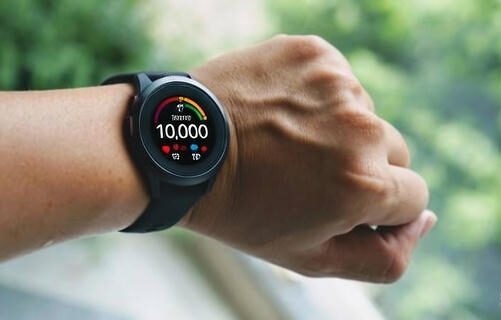
The 10‚000-step goal has become fitness gospel, but recent research shows this magic number isn’t based on science. Here’s what you need to know about health benefits of walking and how to optimize your day for real results.
The Truth About the 10‚000-Step Myth
This 10‚000-step goal came from a Japanese marketing campaign back in the 1960s for a pedometer called “Manpo-kei,” a name that roughly translates to “10‚000 steps meter.” Of course, there was no real scientific basis for such a number.
Want polished, research-backed blog content that keeps readers hooked? ➜ Tap here to hire professional writers and get started today.
The science now suggests that the health benefit of walking plateaus for most adults around 7,500 steps. More importantly, how you walk matters just as much as how much you walk.
Why Step Count Alone Doesn’t Tell the Whole Story
Ten thousand steps at a casual walking pace yields a different outcome than 6,000 steps at a faster walking rate. Your body responds to intensity, not simply to volume.
The American Heart Association researches and confirms that regular, moderate-to-vigorous physical activity confers cardiovascular advantages that cannot be received with slow walking.
The Intensity Factor
When one walks slowly, the heart rate zone is low; calories burned are at a minimal rate, and it does not challenge the cardiovascular system. For you to achieve maximum results in health walking benefits, you need to increase your effort level.
Aim for a pace at which you can speak, but not sing—this sweet spot delivers metabolic improvements, better insulin sensitivity, and an enhanced fat burn.
What Your Body Actually Needs
Rather than concentrate on step count, focus on these evidence-based movement goals:
- 150 minutes of moderate-intensity aerobic activity every week (or 75 minutes of vigorous activity)
- Two days of resistance training targeting major muscle groups
- Regular breaks of movement throughout sedentary periods
The World Health Organization says that some physical activity is better than none, but structured exercise outdoes casual movement when it comes to long-term health outcomes.
The Missing Element: Strength and Resistance
Walking alone does nothing to remedy muscle loss, which begins around the age of 30 and accelerates with each passing decade. Without resistance training, you’re neglecting a critical component of health and longevity.
In addition, strength training preserves bone density, maintains metabolic rate, and prevents the functional decline that makes everyday activities harder as you age.
Combining Walking with Strategic Exercise
The best strategy is daily walking, complemented with two to three strength sessions a week. This serves both cardiovascular health and musculoskeletal function.
You don’t have to go to the gym. Consistent bodyweight exercises, resistance bands, or simple dumbbells bring in some great returns.
Quality Over Quantity: Making Every Step Count
Transform your walks with these intensity boosters:
- Interval training: Walk briskly for 2 minutes, then very briskly or uphill for 1 minute
- Incline work: Find hills, or put your treadmill at an incline to add some resistance
- Purposeful pace: Walk fast enough that you feel slightly breathless.
These modifications take simple walks and turn them into isometric, powerful cardiovascular workouts that create adaptation and improvement.
The Sitting Problem that Walking Can’t Fix
Even when you reach 10‚000 steps a day, long sitting is still harmful to your health. It has been proven that long sitting is linked to an increased risk of mortality, regardless of general activity levels.

The solution? Break up sitting time every 30 to 60 minutes with brief movement—standing, stretching, or walking for just two to three minutes makes a measurable difference.
Movement Throughout the Day
Your body craves position changes and variable movement patterns throughout the day. Standing desks, walking meetings, and active lunches contribute to metabolic health in ways that one walk each day cannot replace.
Rethinking Your Fitness Goals
Instead, ask yourself the following questions:
- Has the step count reached 10,000?
- Did I raise my heart rate today?
- Did I Challenge My Muscles?
- Did I break up time spent being sedentary?
This framework captures the real determinants of improvement in health and longevity, with practical implications for business professionals managing challenging schedules and home-improvement projects that keep you active.
Walking can also play an important role in general health.
The benefits of walking for health are considerable and well-documented. Regular walking lowers blood pressure, improves cholesterol profiles, reduces diabetes risk, and enhances mental health.
But these benefits are further enhanced when walking is part of a wider-ranging movement strategy that incorporates varying intensities, strength work, and regular daily activity.
Practical Strategies of Implementation
Start where you are. If you’re currently sedentary, building up to 7,000 daily steps is a great initial goal.
Once comfortable, add two sessions per week of body-weight exercises:
- squats
- push-ups
- lunges
- planks
These hit every major muscle group.
Principles of Progressive Overload
Instead, push up the challenge as your fitness does improve by going a little faster, tackling tougher terrain, or carrying some light weights.
This progressive approach ensures continued adaptation, preventing the plateau effect that occurs when your body fully adapts to an unchanging stimulus.
What the Latest Research Shows
A 2023 study in the European Journal of Preventive Cardiology found mortality benefits increase with step count up to about 8,000-10,000 steps for adults under 60 but only 6,000-8,000 among older adults.
However, step intensity was independently related to a lower mortality risk, irrespective of the total volume.
Beyond Steps: Measuring What Matters
Modern fitness tracking should include:
- Active zone minutes (time spent in elevated heart rate zones)
- Resistance training once a week
- Total movement breaks during the working time
- Sleep quality and recovery metrics
These markers give a full insight into health-promoting behavior and may be particularly relevant to professionals balancing tech trends in wearable fitness devices with evidence-based practice.
Designing Your Own Movement Plan
The best plan is different for each age, fitness level, health status, and personal preference. A 25-year-old marathon runner requires a different stimulus than does a 60-year-old just starting an exercise program.
Work backward from your health goals. Want stronger bones? Pay more attention to resistance training. Seeking mental health benefits? Consistent outdoor walking is outstanding. Focused on longevity? Combine both with flexibility work.
Professional Guidance
While general guidelines may help, personalized programming works better. Health professionals can pinpoint exact needs, limitations, and opportunities that your unique situation may present, just as green living consultants personalize a sustainability plan for an individual home.
The Bottom Line on Movement and Health
The 10,000-step goal isn’t harmful, but it’s incomplete. True fitness requires intensity variation, strength work, and consistent daily movement beyond a single metric.
Benefits of walking for health are real and significant but are maximized when walking is one component of a comprehensive movement strategy.
Your body is designed for varied, frequent movement at different intensities. Modern life has engineered most of this out, and simply counting steps won’t fully compensate.
Take Action Today
Stop your obsession with arbitrary step counts and create a movement practice centered on real health needs. Your future self will thank you.
Whether you navigate travel destinations on foot, maintain your home and property through active projects, or look for only sustainable wellness strategies, the same principle applies: move often, with purpose, and in challenging ways regularly.
Ready to amplify your wellness message and reach audiences who need to hear it?
Press N’ Release Agency crafts compelling content that cuts through the noise and drives meaningful engagement.
From health and fitness insights to trending topics across business, technology, and lifestyle, our expert team delivers publishing-ready content that positions you as the authority.
Head to Press N’ Release Agency to browse strategic content packages and learn just how professional storytelling can change the way your brand makes a difference.