The face of the wellness industry is undergoing a radical transformation as it enters the year 2026, and the wellness trends setting in now will shape the way we deal with health in the coming years. From the cellular approach to the use of AI in personalizing health, wellness trends leading into 2026 signifies a complete overhaul of the way we look after our health and well-being.
1 :: Cellular Health Takes Center Stage
The discourse on longevity has shifted from the surface level of wellness to the microscopic realm of cell function.
Want polished, research-backed blog content that keeps readers hooked? ➜ Tap here to hire professional writers and get started today.
Cutting-edge clinics are beginning to offer treatments that center around the optimization of how our cells function, ranging from hyperbaric oxygen tanks to specific vitamin supplements aimed at maintaining healthy mitochondria. This is clearly the beginning of the trend of treating illness at the level of health, rather than symptomatic relief.
NAD+ Infusions have become a markedly trendy tool, where believers have witnessed ranging boosts from increased energy to increased productivity.
Why “Cellular Health” Is More Relevant Than Ever
Theemphasis on cell wellness is driven by an increasing number of studies on aging biology and cell senescence. Although certain therapies are still in dispute among doctors, preliminary data show that boosting cell NAD+ is possible and safe in people.
Such an approach marks a paradigm shift from reactive to preventive healthcare.
2 :: Infrared Heat Transforms Exercise
Forget the classic hot room experience—infrared fitness is changing the face of hot training by actually warming your body as opposed to just dialing up the temperature.
Infrared heat panels are being put in studios in major cities that use electricity to deliver focused heat, and this is allowing for exercise benefits beyond the caloric burn. From the reduction of inflammation to enhanced flexibility and pain relief, infrared exercise provides measurable benefits making regular exercise even more difficult.
The trend is popping off big-time in LA, and it is branching out quickly, especially with classes such as Pilates, barre, and sculpt.
Science Behind the Sweat
Infrared heat penetrates deeper in tissue than traditional heat, providing enhanced circulation and potentially faster healing benefits. This innovative solution enables enthusiasts to work harder while perhaps decreasing their vulnerability to injury; this synergy has proven to be irresistible to fitness participants wanting every possible benefit from their exercise regime.
3 :: Wearable Technology Reaches New Heights
It appears that close to half of American adults own a fitness tracker or smartwatch, and the wellness trends for the year 2026 highlights the technology getting exponentially smarter.
Today’s devices are tracking so much more data than steps and heart rate activity—they are tracking heart rhythm, blood pressure, blood glucose levels, and skin temperature. Companies like WHOOP, Garmin, Oura Ring, and Apple Watch are at the forefront of innovations that interpret all that data into useful health information.
It’s not about calorie counting anymore—but about recognizing body rhythms and maximizing results based on concrete information.
Personalizing with Facts
The true strength of wearable devices is the creation of personal health plans. The advantage lies in the fact that people can now change their diet routine according to their glucose index, plan their exercise routine according to their recovery scores, and design their sleep routine according to their circadian rhythm.
Customization of such a level was not possible even a few years ago.
4 :: Bone Health Receives Its Moment
Bone health had been relegated to discussions of elderly care and osteoporosis prevention for much too long; but 2026 marks a turn in this historical trend.
Progressive health clinics are also including the assessment of bone mineral density in health span-related programs for young participants because of the understanding that the health of the bones influences all other physical functions from posture to chronic pain to mobility throughout life. The implications of decreased BMD range from back problems to altered posture, which often leads to other health disorders.
This shift recognizes that developing strong bones in your 30’s and 40’s has huge rewards when you’re in your 70’s and 80’s.
5 :: Soft Wellness Embracing Rest and Recovery
Finally, the era of hustle culture is beginning to make way for a softer approach, and about time too.
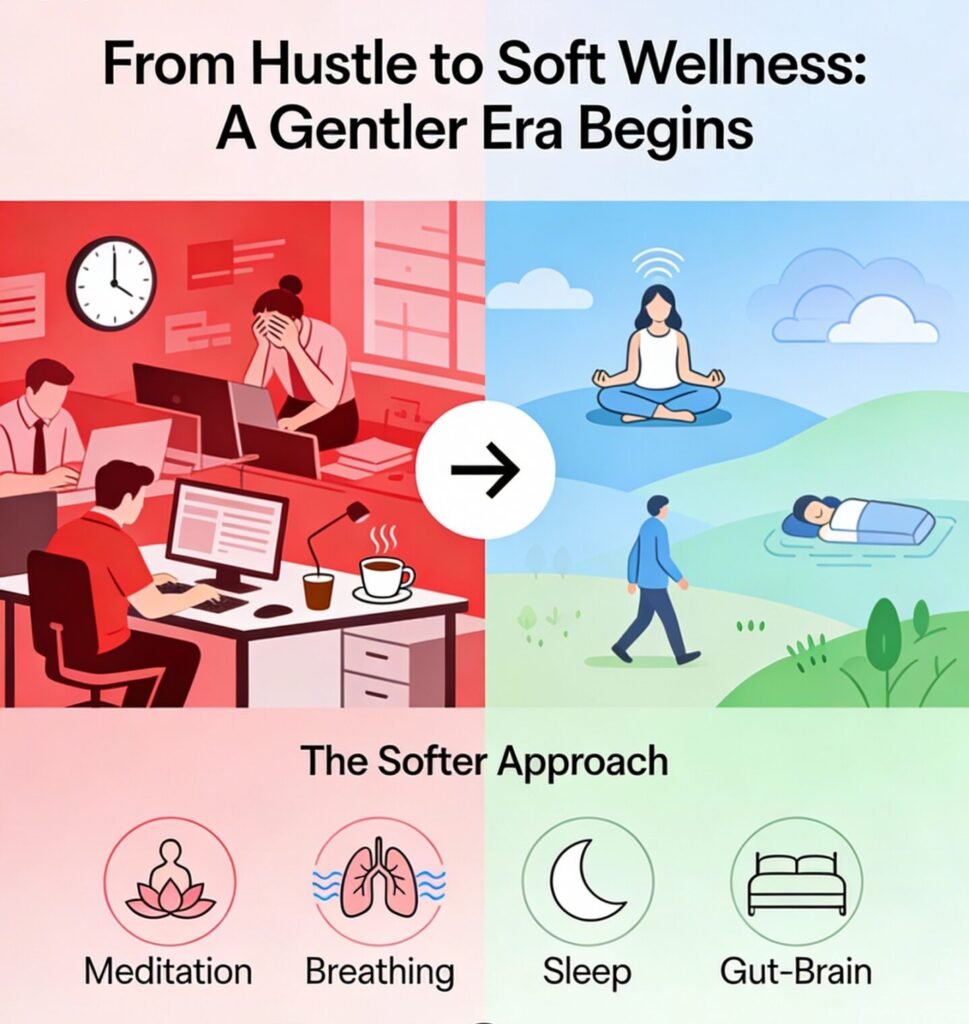
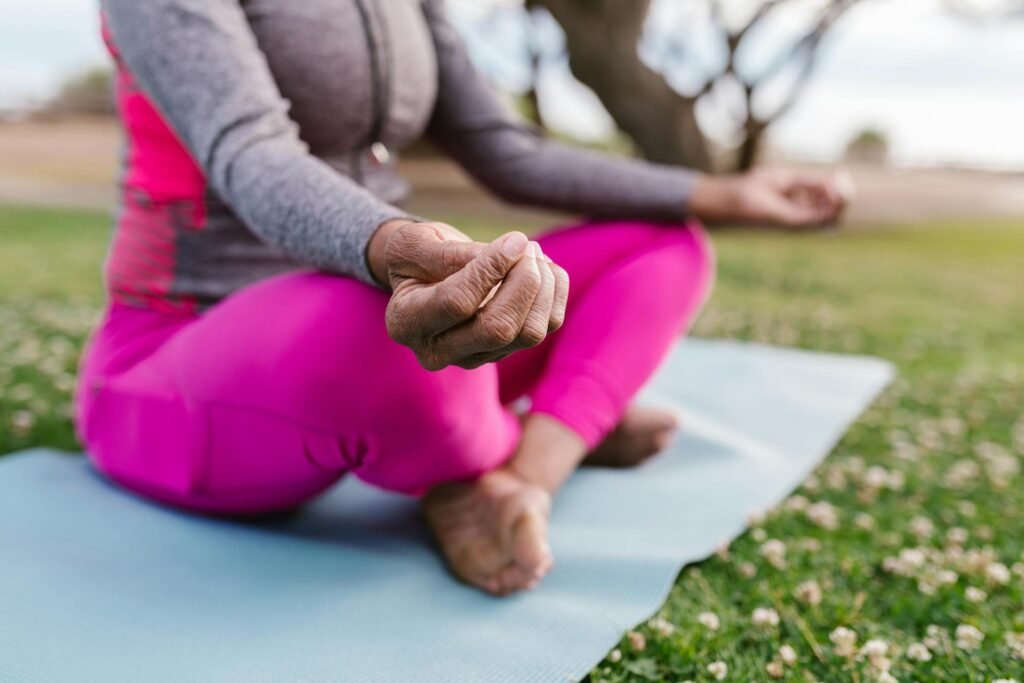
Soft wellness involves topics that focus on relaxing the nervous system and making restful pursuits. The goals of the soft wellness trend include meditation, breathing, sleep, and the connection of the gut and the brain through the use of probiotics and magnesium.
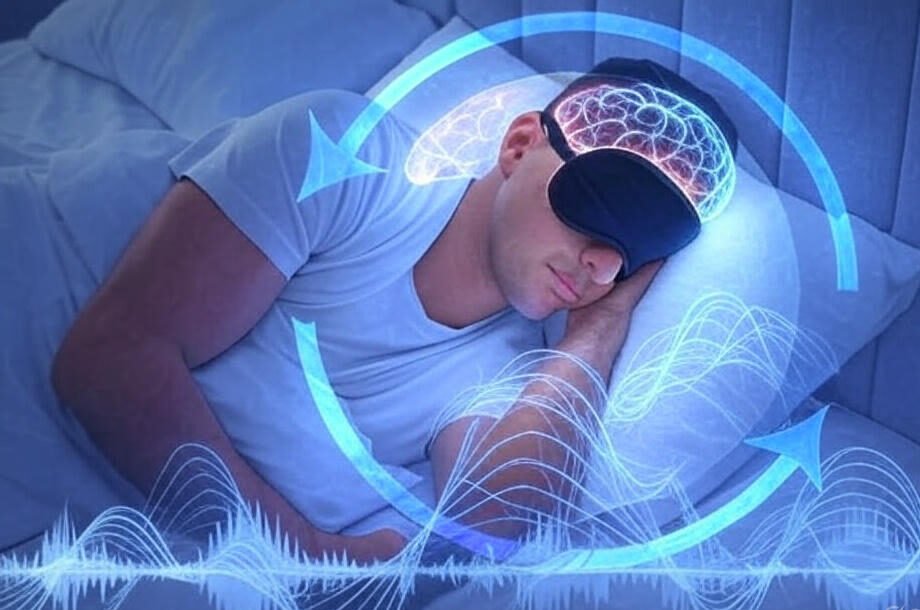
Sleep tourism is an actual holiday category that has appeared with sleep vacations organized specifically with the intention of assisting in sleep improvement using AI-enabled sleep beds and sleep coaches.
Economic Reasons to Take a Rest
Digital detox resorts are currently seeing levels of demand never seen before, as travelers look for destinations that offer true rejuvenation and repose, as opposed to activity-packed tours.
This is an intelligent approach that recognizes productivity is an offshoot of rejuvenation and not an alternative to it—a fact that some high-achievers learned too late in life.
6 :: Mental Fitness Becomes Non-Negotiable
Over one in five adults in the U.S. has a mental health issue every year, and exercise programs intended for mental health support are quickly entering the mainstream.
Exercise is now enjoyed as much for its mental benefits as for its physical advantages, as surveys in this country have found mental health to be the number-one reason why people want to work out—and this is followed by getting fit, rather than looking good. Everyone has known this forever, as athletes have long appreciated.
According to the wellness trends 2026 study, Gen Z and Millennials are especially interested in mental wellness, with issues of stress, anxiety, and worry topping their lists.
AI-Assisted Support for Mental Health
Technology is changing the way mental healthcare is delivered through AI-enabled platforms that are personalizing care and monitoring patient progress. Although such technology is leveling the playing field by providing mental healthcare access to all, it has several questions and concerns related to patient safety and privacy.
7 :: Functional Fitness Goes Mainstream
The terminology ‘functional fitness’ could be considered like any other marketing-tool terminology, but it encompasses something truly valuable: exercising to make functional differences in ‘real-life’ movements.
This strategy blends strength, power, movement, and endurance training with goals of making functional activities simpler and decreasing the risk of injury. And from lifting groceries to playing with children to maintaining one’s independence later in life, functional fitness capabilities apply directly to those performance demands.
The beauty of this trend is its universality—that is, it is applicable to every individual, as each individual can benefit by being stronger and more mobile.
8 :: Longevity Investment Accelerates
The American no longer seeks to add years to his life; instead, he now seeks to add life to his years, a phenomenon referred to as ‘vitality span.’
NielsenIQ research states that “aging well” is now more of a priority for 57% of consumers than it was five years ago, and 55% of them are ready to spend more than $100 per month for improved nutrition in order to “age well.” This is an enormously different market paradigm for health.
Cell fortifying supplements and protein-fortified functional foods to nootropics and joint-support formulas—people are investing heavily in their own strength and independence for the twilight years.
Red Light Therapy Goes Home
Red light therapy is a perfect example of such a trend—it’s gone from being an exclusively dermatology or med spa service to being offered in at-home devices that can stimulate collagen synthesis and improve cell and mitochondrial function at a relatively low cost.
9 :: Menopause and Perimenopause Support Expands
At last, the conversation about menopause and perimenopause is emerging from the shadows where it once was taboo.
In 2026, the support that is offered in this life stage is a reality of increased accessibility and personalization, where treatments and products are designed with the specific challenges that women experience with hormonal change. Of course, this is a reality of business change and a cultural shift with regards to acknowledging the health of women throughout life.
The wellness space is now reacting with everything from specialized supplements to coaching offerings.
10 :: Comprehensive Well-Being Swaps the Wellness Approach
Physical health is still very important, but there is a recognition that there is much more.
“The trend is towards a holistic approach, encompassing financial, emotional, social, and life-stage issues.” – Wellness Congress, 2026
The reason this is a welcome extension is because it is understood that lasting wellness truly cannot be achieved in a vacuum, as personal finance stress, family care-giving needs, and work life balance can all affect health outcomes. In truth, 39% of employees stick with their current company because of “strong benefits related to wellness and work life balance.”
Corporate wellness is projected to reach a market of 100 billion by 2026, growing by almost 9% every year.
Wellness programs with a purpose, which mirror the values of the firm, are the norm rather than the exception.
Workplace Wellness Develops
There is an awareness among employers regarding the fact that employee well-being as an investment area brings quantifiable results in the form of lower absenteeism, greater productivity, lower medical spending, and better retention.
The best-performing solutions not only make one feel good; they produce results by leveraging data insights.
The Future Is Personalized
The underlying thread for each and every wellness trend for the year 2026 is the concept of personalization—recognizing the fact that not all wellness approaches fit all people.
Whether through AI-enabled platforms, wearable device data, or cell-level interventions, the future of wellness is to know your biology and develop plans based on exactly what you need. This is both a historic opportunity and responsibility on the part of individuals who can benefit from biomedical solutions at an unprecedented level of sophistication.
The wellness space is no longer offering products and/or services but is now providing resources for actual change.
Ready to Share Your Wellness Story?
These key wellness trends of 2026 signify not only market trends but are also a chance to engage with consumers who are looking for improved wellness and a longer, healthier life. Every individual who launches a wellness product, opens a wellness enterprise, or is recognized for his or her authority on the topic of longevity has a story that should get to the right audience.
Press N’ Release Agency has the specific expertise to help wellness companies and health entrepreneurs spread the word through effective press releases, blogging, or web storytelling that gets real results.
Our team knows the intricacies surrounding the health and wellness space to help your message connect both in the media and within the consumer circles, maintaining the integrity and accuracy required in the health community. Make sure that your wellness product doesn’t get overlooked among the crowd.
Visit Press N’ Release Agency today and see how we can help you lead the wellness talk in 2026 and beyond with our package deals and packages that are perfect for a thriving wellness brand like yours that is truly what your followers are looking for.