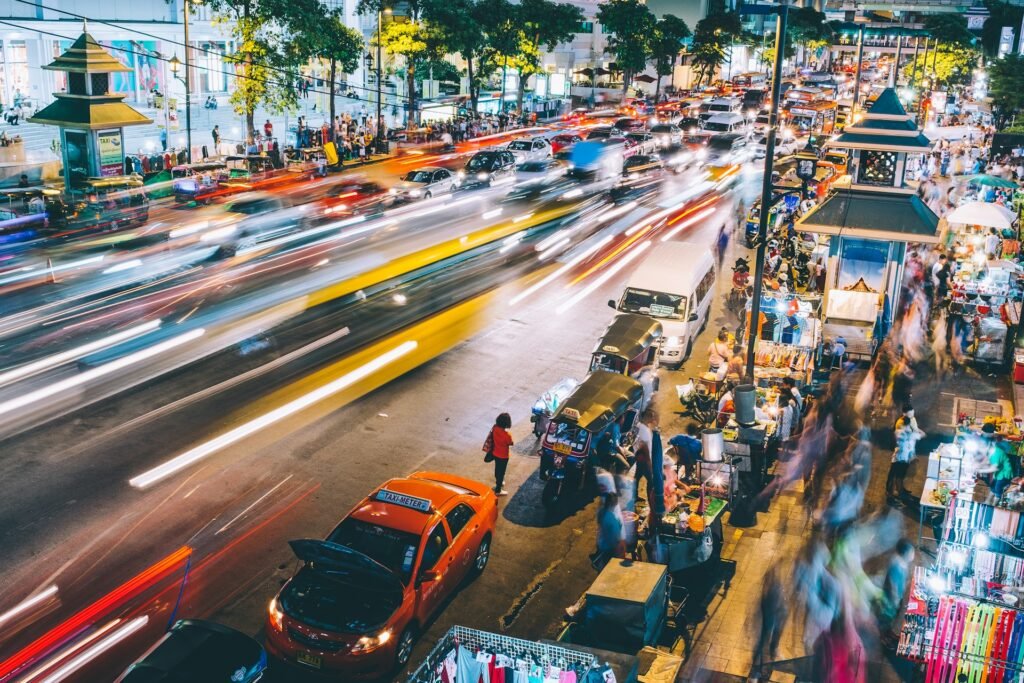
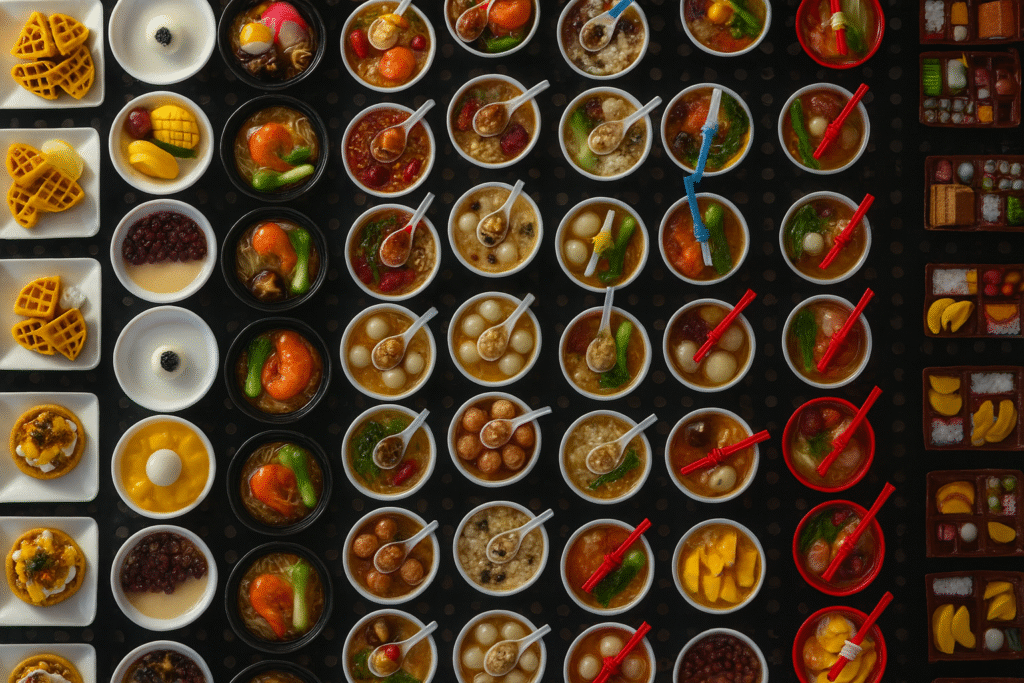
Ditch the reservation lines and jacked-up prices of overtouristed food capitals. The world’s next great meals are being served in cities that fly brilliantly under the radar, where culinary traditions run deep and innovation springs from authentic community.
We’ve mapped the underrated food cities poised to define 2026, offering not just meals but deep, edible experiences you won’t find in any guidebook. It’s about tracing the journey of a place through your plate.
Want polished, research-backed blog content that keeps readers hooked? ➜ Tap here to hire professional writers and get started today.
In all these places, food is the main language through which culture, history, and innovation are manifested. Such choices support local economies in preserving their culinary heritage, while providing richer and more meaningful travel ethos wholly aligned with the conscious values shaping travel in 2026 and beyond.
The 2026 Food Traveler: In Pursuit of Authenticity, Not Hype
The modern culinary explorer is changing. They crave depth over breadth, and connection over convenience. This traveler knows that the strength of a city’s food isn’t measured by its count of Michelin-starred restaurants but by the vibrancy of its street markets, the stories behind its family-run gostilnas, and farmers who raise heirloom produce.
Why Underrated Destinations Are Winning
Overrun food destinations face an uncomfortable paradox: their popularity can dilute the very authenticity travelers seek. Menus become homogenized, reservations become impossible to score, and local communities get edged out. Underrated cities bring the potent antidote of: unpretentious access, remarkable value, and recipes that are living history rather than performances for tourists.
Visiting such places is a form of culinary preservation. It directly funds the artisans, fisherfolk, and grandmothers who are the true custodians of a region’s flavors. This shift from consumption to participation defines the food cities 2026 will celebrate.
Underrated North American Food Capitals
Move over, New York and Los Angeles. The continent’s most exciting tables are set in cities where hyper-local identity fuels every dish.
Tucson, Arizona: 4,000-Year-Old Desert Table
A designation as America’s first UNESCO City of Gastronomy, bestowed upon Tucson in 2015, was no accident. It recognizes a continuing, resilient food culture extending backward to the ancestral people of the Sonoran Desert. It is not just Mexican food; it is desert cuisine-the result of scarcity and cleverness.
The soul of the city’s ingredients is in these items: Find Barrio Bread, where James Beard Award-winning baker Don Guerra uses revived heirloom White Sonora wheat. Taste the history in the carne seca (sun-dried beef) at 1922-established El Charro Café. Tumerico will do a modern plant-based masterpiece of vegan tamales and “carnitas”-like revelations. And no visit is complete without the iconic Sonoran hot dog, a bacon-wrapped frankfurter buried in beans, onions, tomatoes, and jalapeño sauce from a street cart like El Guero Canelo.
Oklahoma City, Oklahoma: The Unlikely Culinary Powerhouse
OKC has blown its steakhouse stereotype to smithereens. It’s now a launchpad for culinary visionaries, combining Southern comfort with international ambition. The city announced itself with Nonesuch, a tasting-menu restaurant that was Bon Appétit’s Best New Restaurant in 2018. It champions hyper-local foraging and preservation.
For a taste of bustling Southeast Asia, Ma Der Lao Kitchen earned a James Beard Award nomination for explosive flavors serving dishes like the sai oua, or herbal Lao sausage, and khao piak sen, hand-pulled noodle soup. This seamless blend of prairie bounty and global technique makes OKC a blueprint for the modern American food city.
Portland, Maine: New England’s Focused Coastal Kitchen
More than lobster rolls, Portland’s a micro-city with macro punch. Its secret’s proximity: chefs have direct relationships with the fishermen docking at the wharf and the farmers in the surrounding hills. This creates a scene of stunning freshness and clarity.
Get the brown butter lobster roll at Eventide Oyster Co., or their game-changing brown butter lobster roll served on a steamed Chinese bun. Have pristine, briny oysters from the cold Gulf of Maine. At Leeward, handmade pasta worthy of Italy’s best, deftly tinged with coastal sensibility. Portland shows that smaller is, in fact, sweeter to inspire more creativity and a deeper sense of connectedness-to remind home improvement and real estate lovers that there’s beauty in community-centric design.
Columbia, South Carolina: The New Soul of the South
The city is forging a complicated Southern identity that’s far more than just the ‘cue. Its ascendant status was sealed when Lula Drake Wine Parlour, an intimate natural wine bar with a spotless small-plates menu, took home a James Beard in 2024.
And of course, you have to sample the state’s signature mustard-based barbecue sauce at historic haunts like Little Pigs Barbecue. Dine like a local by waiting in line for a classic “meat-and-three” plate lunch at Lizard’s Thicket. Meanwhile, the city’s International Corridor on Decker Boulevard offers the stunning culinary tour from Persian kebabs to Vietnamese pho that reflects the city’s diverse business trends as it grows into a globally-connected city.
Hidden Culinary Sanctuaries of Europe
When it comes to Europe, there are few places where tourists tend to venture, yet there is much more to the continent than one might imagine, and Europe’s culinary backyard harbors secrets, too.
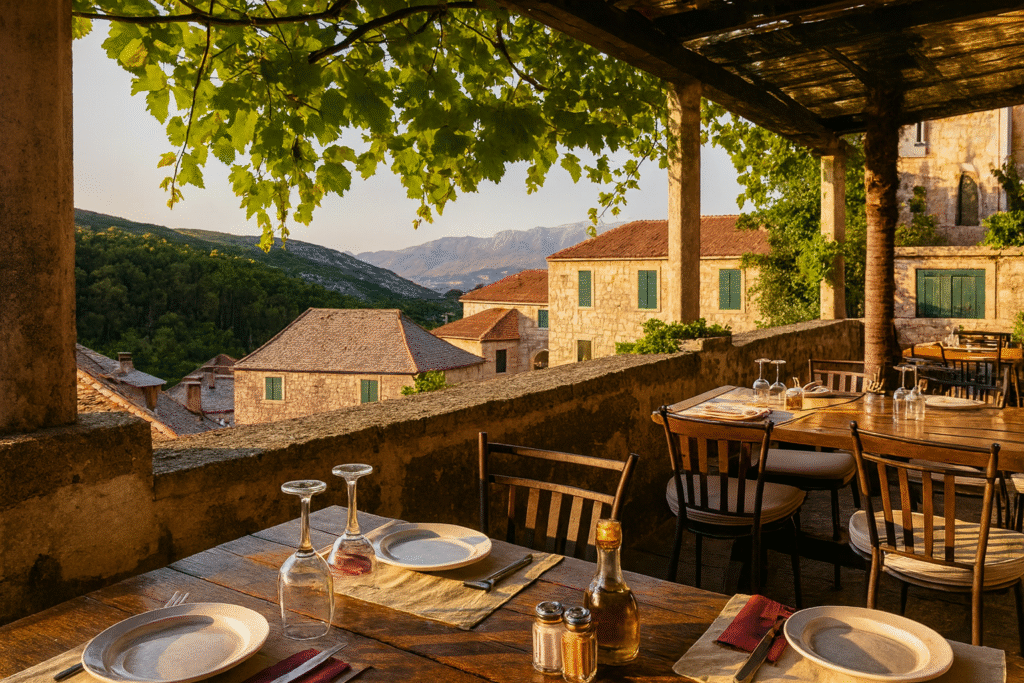
The greatest European food stories often are written rather far from the crowded capitals-in cities where tradition and terroir aren’t concepts that can be separated from one another.
Ljubljana, Slovenia: Where Alpine, Mediterranean, and Balkan Flavors Meet
Slovenia’s fairytale capital is a compact masterpiece of food fusion. In Ljubljana, you can walk from a Michelin-starred restaurant to a rustic, family-run gostilna in a matter of minutes. The city is a gateway to Slovenia’s distinct 24 culinary regions, but its own markets and cafes serve up a perfect tasting menu.
Visit the Central Market along the Ljubljanica River to sample šebreljski želodec, a savory smoked sausage, artisanal pumpkin seed oil, and forest honey. Sit down to a plate of štruklji, or dumplings that can be rolled with sweet or savory fillings, such as cottage cheese or tarragon. Ljubljana epitomizes a European ideal: high-quality, locally sourced food for everyone, a principle at the core of green technology.
Ghent, Belgium: Beyond Brussels’ Shadow
While tourists flock to Brussels for mussels and chocolate, the medieval city of Ghent has forged a more progressive, plant-forward path. It’s a pioneer in the “Thursday Veggie Day” campaign and boasts a staggering number of vegetarian restaurants per capita.
Dine at Avalon for organic, farm-to-table Belgian classics, or explore the innovative vegan tasting menu at Luv l’Oeuf. This doesn’t mean abandoning tradition-it means reinventing it. You can still find impeccable waterzooi-a creamy chicken or fish stew-and of course, world-class beer in historic taverns. Ghent shows how culinary innovation can be from ethics and sustainability, identifying with global hi-tech tendencies within food science and agriculture.
Bologna, Italy: The Secret Gastronomic Capital
Italians have long known Bologna as “La Grassa”-The Fat One. While tourists overwhelm Florence and Rome, Bologna quietly upholds Italy’s most revered culinary traditions. This is the birthplace of ragù alla Bolognese-slowly simmered with milk, never tomatoes-tortellini in brodo, and mortadella.
Ditch the restaurant and make your way to the Quadrilatero, the old market district. Here, at family-run counters like Tamburini, you’ll be tasting culatello di Zibello, a prized cured ham, and Parmigiano Reggiano aged for 36 months or more. Eat at a trattoria like Trattoria da Danio and get a perfect plate of tagliatelle al ragù. Bologna is a master class in how to do a few things perfectly for centuries, and that philosophy follows the Italian approach: slow, thoughtful preparation that rewards you over time—just like long-term investing.
Asia & Pacific Treasures: Street Food Paradises and Ocean Bounty
From chaotic night markets to pristine coastlines, this region contains underrated cities where food is the main daily art.
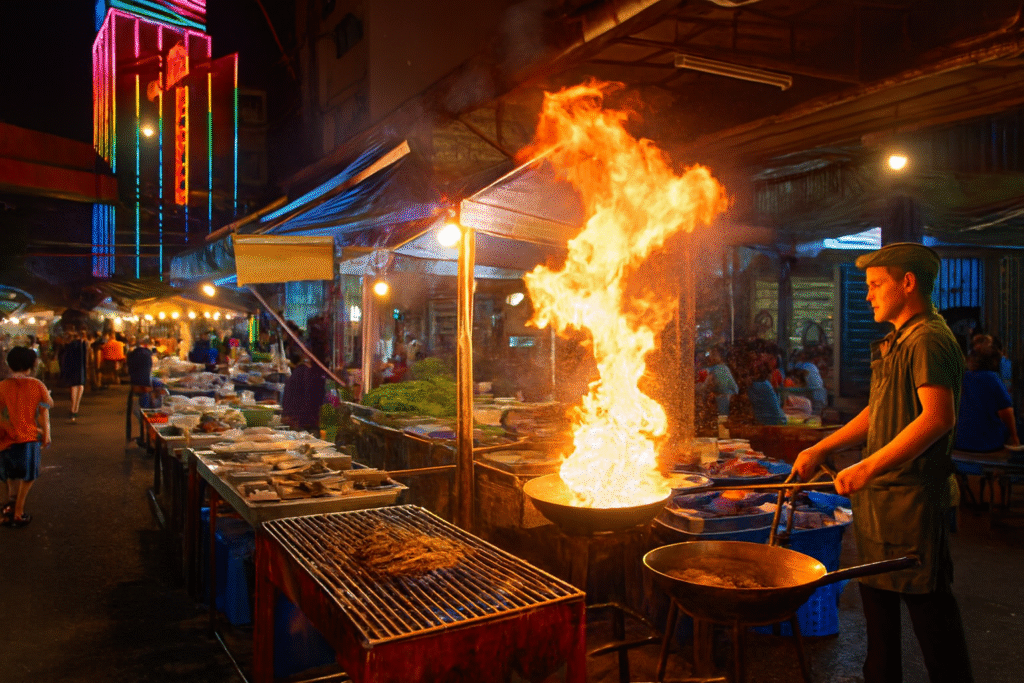
Penang is a tiny Malaysian state situated by the straits of Malacca, bordering the Indonesian island of Sumatra and Thailand towards the north.
Penang, Malaysia: Asia’s Living Street Food Museum
George Town, Penang, is a UNESCO World Heritage site, and its architecture is only half the story. The real heritage is served on plates and in bowls from countless hawker stalls. It is the apex of Peranakan, or Straits Chinese, cuisine, a vibrant fusion of Chinese, Malay, and Indian influences.
Your pilgrimage should, of course, include char kway teow (smoky stir-fried rice noodles), assam laksa (sour, tamarind-based fish noodle soup), and nasi kandar (steamed rice with a selection of curries). Find these at legendary centers like Gurney Drive Hawker Centre or Air Itam Market. The symphony of complex flavors on Penang attests to cultural cross-pollination, in the same way global pop culture emerges from shared influences.
Iloilo City, Philippines: Culinary Heart of Filipino Comfort Food
While Manila is abuzz with modern fusion, Iloilo City on Panay Island is where classic Filipino comfort food is perfected. Ilonggos are known as the country’s best cooks, taking pride in their balanced and savory flavors.
You have to try La Paz batchoy, a deeply savory noodle soup with pork offal, crushed pork cracklings, and a rich broth; have it at the original Ted’s Oldtimer La Paz Batchoy. Look for the city’s rich version of kare-kare (oxtail peanut stew) and fresh seafood such as diwal (angel wing clams), if in season. Iloilo is a warm, unhurried, and profoundly delicious way into the Filipino soul.
Adelaide, Australia: Where a Wine Capital’s Food Scene Wakes Up
Long in the shadow of Sydney and Melbourne, Adelaide has come into its own by embracing its unique assets: world-class wine regions at its doorstep and the native ingredients of the Australian bush. The Central Market is a cathedral of fresh produce, cheese, and small-goods that supplies its innovative chefs.
Restaurants like Restaurant Botanic offer ambitious tasting menus featuring ingredients like wattleseed, lemon myrtle, and kangaroo. The adjacent Adelaide Hills and Barossa Valley are dotted with cellar doors and farm-gate restaurants. Adelaide’s rise is underwritten by a confidence in its own terroir-a model of regional identity now echoed in business trends worldwide.
Tainan, Taiwan: Taiwan’s Ancient Capital of Snacks
Taipei takes the glory, while Tainan in Taiwan is an ancient city claiming the title of its food capital. This is where innumerable icons of Taiwanese street food come from. The pace here is slow, the flavors are sweeter, which is a signature of Tainan cuisine, and its history is in every single bite.
Wander the Shennong Street night market to try dan zai noodles (a minced pork noodle dish served in a light broth), coffin bread (a thick toast filled with creamy chowder), and local specialty milkfish soup. Tainan’s food scene is a delicious layered history lesson supporting how health and fitness can be joyfully supported by a diverse, vegetable-forward diet.
Latin America & Africa: Flavor Capitals Few Can Contest
These cities are possessing such strong and self-sufficient culinary traditions that they do not need any global validation for their existence; hence, all that more rewarding to discover.
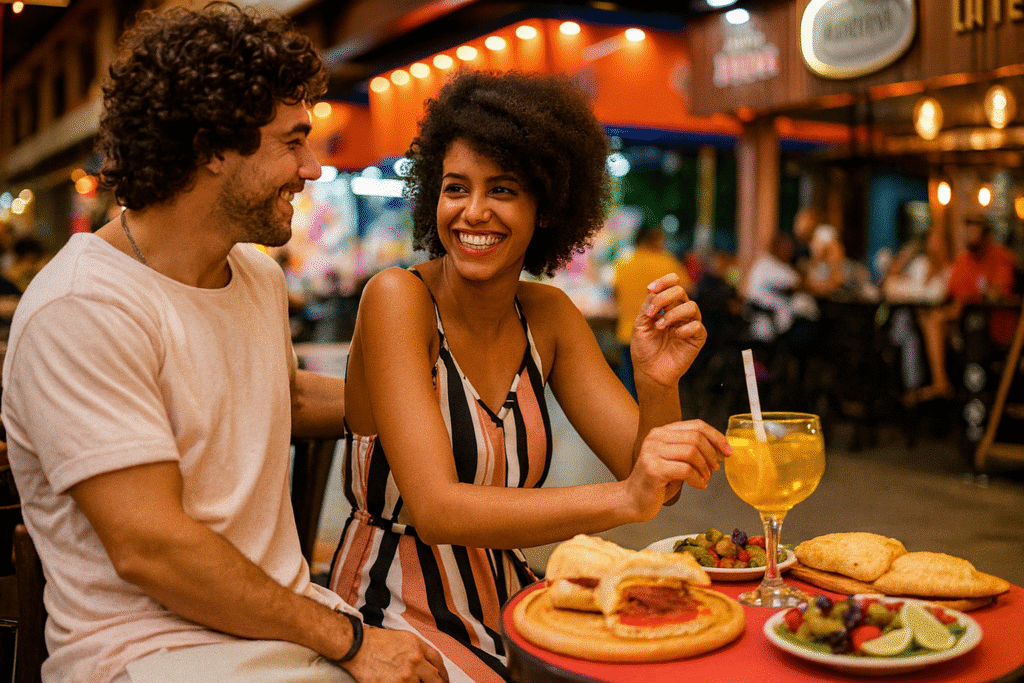
Oaxaca, Mexico: Beyond the Shadow of Mexico City
Every serious food lover knows Oaxaca, but it remains underrated in the broader tourist circuit, especially as it continues to evolve. It is a deep, spiritual center of Mexican cuisine, built on the “holy trinity” of corn, beans, and chili, and famed for its seven classic moles.
Beyond the sublime mole negro, get a taste for the city’s dynamic markets like Mercado 20 de Noviembre for tlayudas (huge, crunchy tortillas topped with beans, meat, and cheese), chapulines (grasshoppers), and quesillo (Oaxacan string cheese). Take a trip to a mezcal palenque (distillery) to learn about the artisanal spirit. Oaxaca is just one example that the biggest food cultures are those that are centered around ceremony, land, and community.
Salvador da Bahia, Brazil: The Afro-Brazilian Heart
While São Paulo and Rio dominate, Salvador is the soulful, spicy heart of Brazil’s food. The hub of Afro-Brazilian culture, its food is a colorful testament to history, the flavors pegged in West Africa.
Not to be missed is acarajé: a deep-fried glob of mashed black-eyed peas filled with shrimp and hot pepper paste, sold by Baiana women garbed in traditional white dress. Sample moqueca, fish braised in dendê-palm oil-and coconut milk broth. The energy, color, and layered history in each dish make Salvador nothing less than an unforgettable sensory experience, dynamic and rhythmic, just like the culture it informs.
Fez, Morocco: The Imperial Kitchen
Marrakech is a magnet, but Fez, the older imperial city, offers an intense, less diluted culinary journey. Its medina is a labyrinth leading to food discoveries around every turn, centered around the world’s oldest university.
Dine in a riad restaurant for refined takes on pastilla and tagine. The real magic is in the street food though: steaming bowls of harira (lentil soup), snails in spiced broth from the Bab Guissa market, and the city’s famous sticky, chewy dates. Fez is a culinary time capsule, with perfected recipes over a millennium in kitchens consistent through the ages.
How to Be a 2026 Culinary Explorer: A Practical Guide
To experience these cities is to adopt the mentality of guest, not consumer. Here’s how to engage deeply-and respectfully:
Strategies for Authentic Discovery
- Local Time Eating: Hit the markets at dawn with the chefs. Have lunch when the locals do-often late. Do the late dinner if that’s the custom
- Learn the one dish: Before you go, find out what the signature dish is in a particular city. Master its name and components. Your genuine interest will be a universal key.
- Book a Context-Driven Food Tour: Opt for history-driven tours, or focused neighborhood tours with a local guide. Do not get on the generic “foodie” tours, full of transactional feeling.
- Use Technology Wisely: Use apps like Google Lens to instantly translate a menu, but more importantly, put your phone away once the food arrives. Be present.
Ethics of Eating Your Way Through
Your visit is a force. Support restaurants with a strong commitment to local sourcing. Eat adventurously, yet respectfully. Never photograph food or people in markets without asking permission first. Always tip according to local standards. You’re immersed in a living culture-not a performance.
From Culinary Inspiration to Global Story
These underrated food cities often do more than fill a photo album; they can fire up a business idea: a specialty import company, a culinary tour operation, a new restaurant concept, or a food-focused media platform. When that inspiration strikes, you’ll want a potent way to share your venture with the world-and position yourself as an authority in this zealous arena.
A professionally created press release with strategic distribution is that key tool. It helps to transform your personal discovery into a credible, newsworthy story. It could mean attaining important coverage in top-tier travel magazines, food blogs, industry publications, and local news outlets, all important channels for increasing visibility, appealing to customers, and luring potential investors or partners.
Let Press N’ Release Agency help share your story with the world. Our talented team of writers understands just how to transform the taste of an experience into persuasive copy that media clamors for. With our targeted distribution networks, your announcement will be distributed to the ones that count.
Contact Press N’ Release Agency today to discuss our tailored press release and blog post packages. We’ll help you create a story as memorable as the flavors which have inspired it, giving your food-focused business the launch it deserves.