
Optimizing Life Span: How Daily Mindset Habits Impact Mental Fitness and Longevity
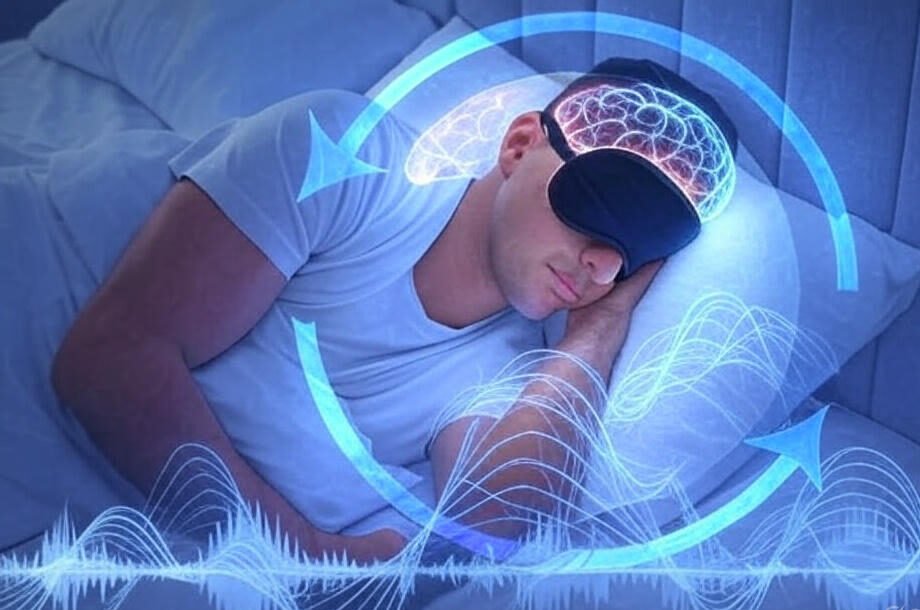
Mental fitness, defined as a state of cognitive and emotional resilience, has a major impact on the well-being and lifespan potential of individuals. In this article, we will discuss how good mindset habits bring about a long, healthy life.
Defining Mental Fitness and Its Relationship to Longevity
Mental fitness refers to the ability to meet life’s challenges with flexibility, emotional stability, and mental sharpness. It amounts to much more than not having a mental illness and is a proactive approach to maintaining psychological health1.
Want polished, research-backed blog content that keeps readers hooked? ➜ Tap here to hire professional writers and get started today.
The connection of mental fitness with longevity is increasingly recognized within gerontology. Behavioral factors, such as psychological characteristics and coping mechanisms, are critical determinants of a long life.
Introduction: Setting the Central Thesis – Mindset Habits as Determinants of Lifespan
Mindset habits, or persistent patterns of thought and emotional response, have a real impact on biological processes of aging. Such habits can either strengthen or weaken an individual’s long-term health trajectory.
The ability to manage stress, cultivate optimism, and foster strong social connections correlates directly with improved physical health outcomes and extended longevity, thus suggesting a deep interplay between the mind and the body in determining lifespan.
Significance for Public Health and Individual Well-being
Addressing mental health is an integral part of general public health. Mental disorders are the leading causes of disability worldwide.
Promoting positive mindset habits provides a preventative approach against various health adversities and improves quality of life for all age groups. Such strategies support the development of individual resilience and societal health.
Thematic Review: Foundations and Current Perspectives
Neuroscientific Insights into Mental Fitness
Neuroscience shows that the brain is remarkably plastic, changing based on experiences and learned behaviors. For example, mental fitness training can strengthen neural networks through practice in attention and emotional regulation.
Exercise also promotes neuroplasticity, thereby improving cognitive capabilities and affective responses. These biological changes highlight the physical underpinnings of mental health.
Mechanisms Linking Cognitive Health with Lifespan Extension
Improved cognitive health, attention, and executive function seem to go along with better aging outcomes. Physical fitness is especially associated with more successful cognitive aging.
These mechanisms include complex processes such as neurogenesis, angiogenesis, and neurotrophin release that add to brain resilience. Prevention of cognitive decline is an important contributor to extending the healthy lifespan.
Daily Mindset Habits: Evidence-Based Practices
Therapeutic lifestyle changes, including aerobic exercise, proper nutrition, and stress management, have considerable benefits for mental health. Often, these practices are as effective as standard therapies.
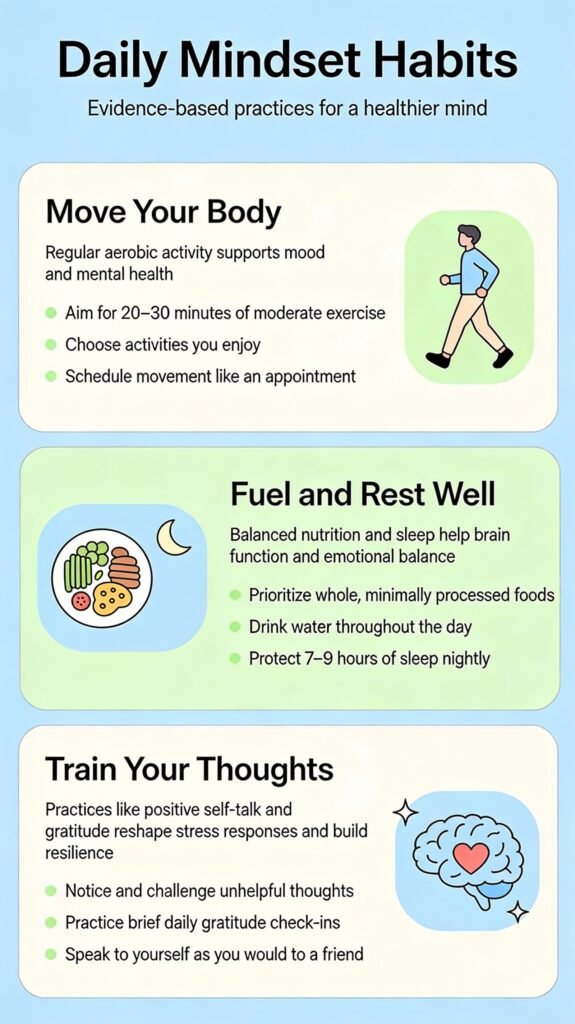
Habits of positive self-talk and gratitude help to reframe perceptions and reduce chronic stress. This kind of consistent mental conditioning creates a resilient disposition.
Habit Formation and Neuroplasticity
The formation of habit is a fundamental constituent of human behavior, quite different from rational planning. Neuroplasticity solidifies neural pathways by repeated actions, including mental ones.
This process enables helpful mindset practices to become routine, requiring less conscious effort with time. Therefore, positive mental fitness can be ensured through continuing daily routines.
Socio-Environmental Factors Shaping Mindset and Longevity
The social environment radically influences personality development and the mental condition. For example, city life, with its increased stimulation, can influence mental states.
Positive social interactions and supportive community serve as a protector against mental health deterioration, providing resilience against life’s stressors.
Role of Social Networks and Community Support
Strong social networks contribute to mental fitness and are linked to longevity. The ability to create and sustain affectionate relationships is at the heart of mental health.
Community involvement and social support reduce feelings of loneliness or isolation and enhance overall well-being. These relationships create a sense of belonging and meaning, valuable to living a long and healthy life.
Analysis: Impact and Implications of Mindset Habits
Quantifying the Effects of Positive Mental Habits on Lifespan
Research has consistently confirmed psychological and behavioral factors related to longevity. Commonly emphasized variables include intelligence and cognitive functioning, positive emotion, and personality traits.
Healthy habits, such as regular exercises and a proper diet, minimize the chances of developing mental disorders, directly impacting mental fitness and longevity.
Case Studies and Longitudinal Data
Longitudinal studies, like the Terman Life Cycle Study2, shed light on pathways through which personality is related to longevity. Conscientiousness and robust social relationships predict a long life.
Parental longevity is associated with better brain aging and slower cognitive decline in offspring, particularly in attention and executive function. Evidence pointing to a multi-generational effect on mental fitness and lifespan follows.
Systemic Barriers to Sustained Mental Fitness
There continues to be a problem of accessibility with mental health resources, particularly for diverse populations. Treatment is hindered by misconceptions and a lack of specialized training among clinicians.
Socioeconomic issues related to poverty and unemployment contribute to vulnerabilities in mental health. Health disparities serve as barriers to attaining and sustaining appropriate mental fitness.
Accessibility Challenges, Motivation, and Socioeconomic Status
Without support structures, motivation for consistent engagement might wane in mental fitness practices. And lifestyle factors, though impactful, require sustained effort.
Socioeconomic status is a determinant of access to healthy lifestyle choices and stress-reducing opportunities. Equitable access to mental health services is promoted through policies that support broad-based mental fitness and longevity.
Intersections with Business, Technology, and Lifestyle Domains
Integrating mental fitness principles into corporate wellness programs would help enhance productivity and reduce burnout among workers, thus aligning with contemporary business trends. Organizations that recognize this foster a healthier workforce.
Digital tools and apps provide accessible platforms for mindfulness and cognitive training, reflecting developments in technology trends. These tools can democratize access to practices of mental fitness.
The Multifactor Science of Mental Health
Financial stability can greatly affect mental well-being, and understanding money tips can help reduce stress. A well-organized home, facilitated by home improvement strategies, tend to create a calm mind.
Interaction with nature, at the heart of green tech and living, itself has documented benefits to mental health. Viewing new destinations through travel and tourism creates new insights and reduces mental fatigue.
Even pop culture may foster such growing thought through narratives of resilience and self-care. In the end, all these different domains come together, seeking to enhance on’es general health and fitness, both physical and mental.
Conclusion
Overview of Key Findings
Longevity deeply interacts with mental fitness, defined by cognitive and emotional resilience. Mindset habits in daily life significantly influence neuroplasticity and overall health.
Neuroscience evidence, longitudinal studies, and socio-environmental influences all point to the strong linkage of mental engagement with longer and healthier life. It is very important to develop positive habits and supportive environments.
Recommendations for Life Span Extension by Optimizing the Mindset
- Integrate mindfulness and cognitive training into daily routines to bolster mental resilience.
- Emphasize regular physical activity, improving neuroplasticity and cognitive function.
- Nurture social relationships and a sense of community to ensure emotional support and connectedness.
Call to Action:
Leveraging Press N’ Release Agency Packages for Transformational Impact
Optimizing mental fitness to advance life expectancy requires a strategic approach of outreach and consistent messaging. Organizations or individuals that are deeply committed to these key principles can increase their impact.
Consider the custom packages at Press N’ Release Agency to deliver your message most effectively. They turn research into effective, broad public understanding and action through their strategic dissemination services, moving society toward transformational impact in mental fitness and longevity initiatives.