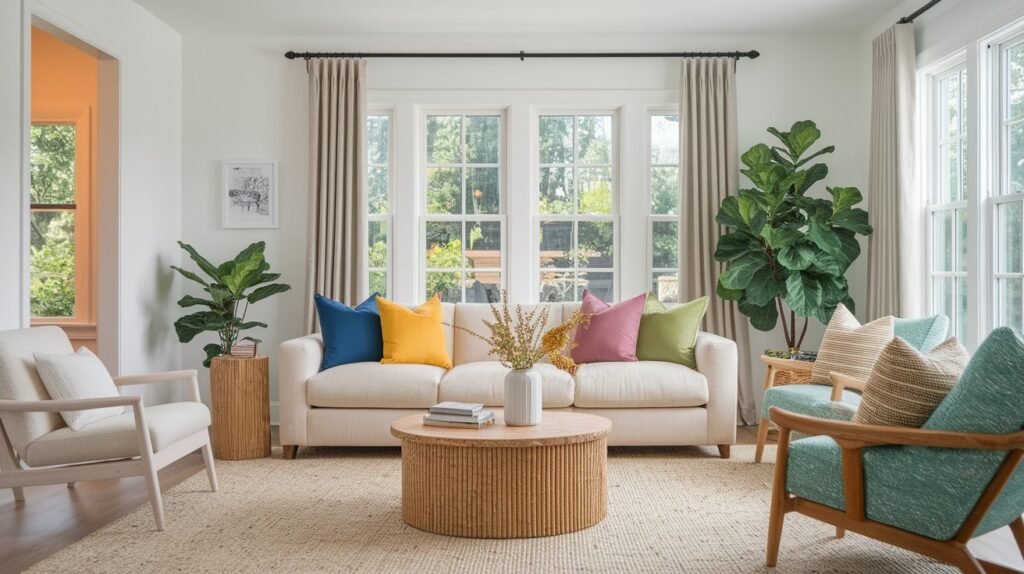

An Expert Guide to Making Rooms Feel Bigger
An incorrectly chosen color of paint can make a small room feel claustrophobic, while just the right shade turns cramped quarters into light, airy spaces. The secret to pulling off this switcheroo lies in how color, light, and proportion interact with one another to change perception.
Why Paint Color Matters More in Small Rooms
Small spaces are less forgiving: every design decision gets magnified when you’re working with limited square footage.
Want polished, research-backed blog content that keeps readers hooked? ➜ Tap here to hire professional writers and get started today.
Paint color is your most powerful tool in manipulating how a room feels because it affects mood, perceived size, and even how your furniture looks.
Paint color ideas for small rooms are different, since unlike larger rooms where bold choices get diluted by distance, you need to think strategically. Otherwise, one wrong move and you’ve spent money making your space feel smaller.
The Light Reflection Rule
Here’s what most people miss: paint doesn’t just add color; it controls light.
Light colors reflect illumination, bouncing around the room and creating an expansive feel. Dark colors absorb light, which makes walls feel closer than they are.
But that does not mean you are stuck with white forever.
Understanding Light Quality in Your Space
Everything’s different with natural light. A north-facing room, which only receives diffused sunlight, should be warmer in tone to balance the cool grey light it gets.
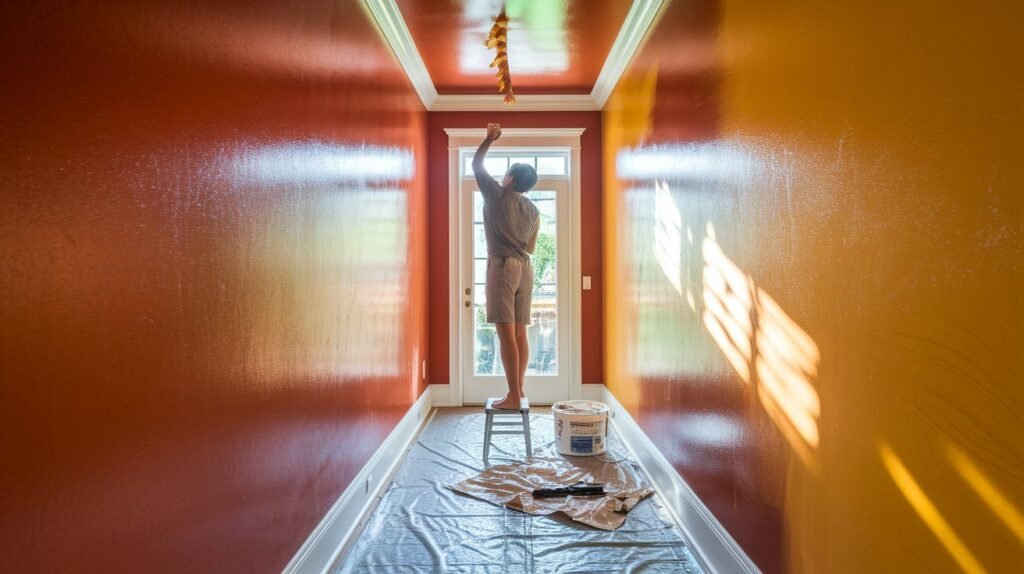
South-facing rooms are flooded with warm, direct light and can handle cooler paint colors without feeling sterile.
Don’t forget about your artificial lighting, either. Warm LED bulbs make cool grays look dingy, while daylight bulbs can make warm beiges look yellow.
Test the paint samples at different times of day before committing. What looks perfect at noon might feel completely different at 8 PM.
Best Paint Color Ideas for Small Rooms
Let’s get specific about what actually works.
Soft Whites and Off-Whites
Pure white has a clinical feel, whereas soft whites with undertones create depth without closing in the walls. Watch for whites with gray, beige, or even pink undertones.
These shades reflect maximum light while adding warmth that pure white lacks.
Light Grays with Warm Undertones
Gray is the modern neutral, but cool grays make small rooms feel cold and uninviting. Choose grays with beige or taupe undertones—sometimes called “greige.”
These sophisticated shades feel modern while keeping the light-reflecting properties you require.
Pale Blues and Soft Greens
Color psychology matters. Blues and greens recede visually, making the walls appear farther away than they are.
Pale aqua, soft sage, and misty blue-greens bring personality without overwhelming the space. These work exceptionally well in bathrooms and bedrooms where you want a calming atmosphere.
Warm Beiges and Taupes
Beige and taupe add warmth to rooms without natural warmth. Modern beiges are less yellow and more gray, making them sophisticated neutrals that work with everything.
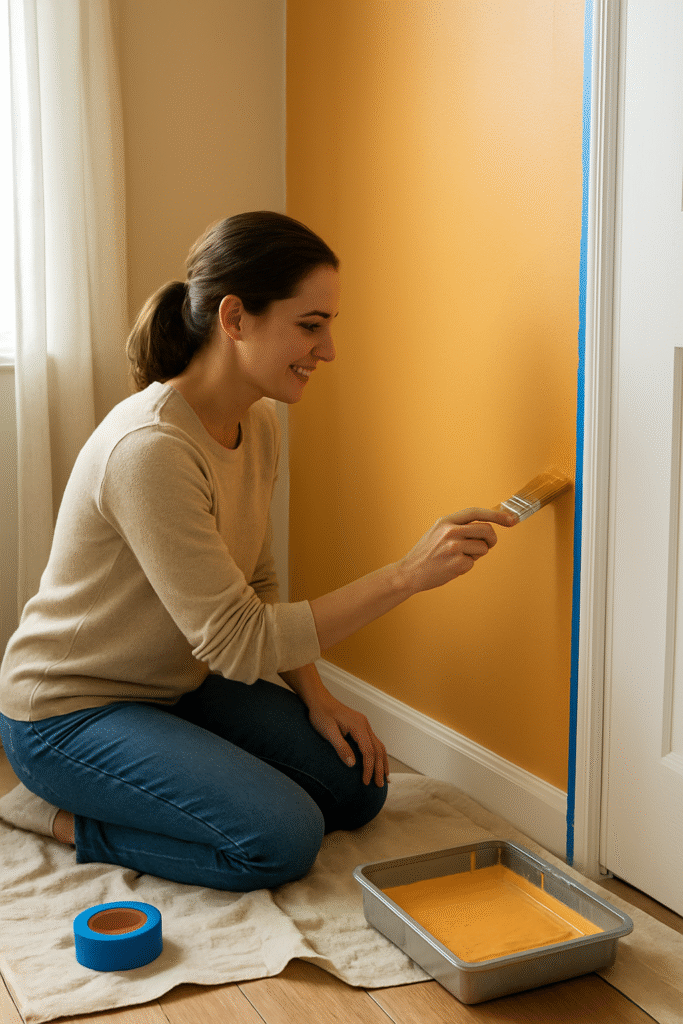
These colors function particularly well for small living rooms and home offices where you need focus without feeling confined.
When Dark Colors Actually Work
Contrary to popular belief, dark paint is not always wrong for a small space.
The secret is commitment. Painting one wall dark while keeping others light creates contrast that emphasizes how small a room is. Painting the entire room in a deep saturated color can actually make boundaries disappear.
Creating the Cocoon Effect
A deep navy, charcoal, or forest green can create an intimate, luxurious cocoon in a small bedroom or powder room. The walls appear to recede into shadow rather than close in.
This approach requires great lighting—natural and artificial—in order to avoid making the space feel like a cave.
The Monochromatic Strategy
Using different values of one color creates an uninterrupted flow that deceives the eye into thinking there is more space. Paint walls, trim, and ceiling in different values of the same color family.
This eliminates visual breaks that fragment the room. Your eye travels smoothly around the space instead of stopping at contrasting trim.
Ceiling Color Strategy Most People Miss
White ceilings feel standard, but they’re not always right.
Painting the ceiling the same color as your walls will eliminate that box effect that makes many rooms feel small. This is particularly true with lighter and neutral colors.
For low-ceilinged rooms, go a bit lighter on the ceiling than on the walls. This maintains the monochromatic effect while creating subtle lift.
The Accent Wall Debate
Think twice before adding an accent wall in a small space.
Accent walls work in large rooms where they can create focal points. In small rooms, they often fragment the space and emphasize limitations.
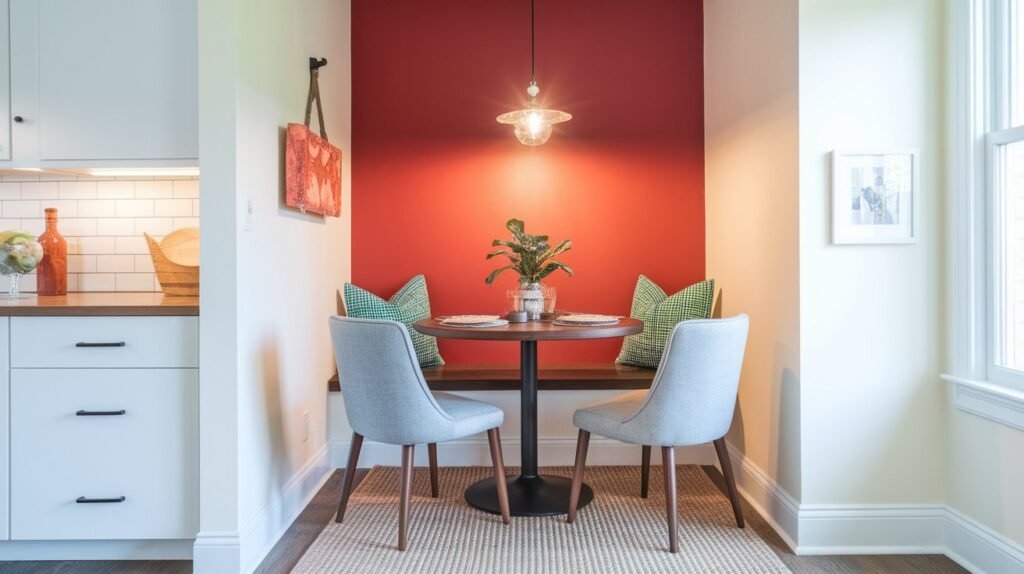
If you’re committed to an accent wall, select the wall that’s farthest from the entrance. That draws the eye forward and creates depth rather than divides the room.
Finish Matters as Much as Color
Paint sheen affects both how color appears and how light reflects.
Matte Versus Glossy in Small Spaces
Matte finishes mask wall blemishes but absorb light. Satin or eggshell finishes reflect just enough light to illuminate spaces without the harsh shine of semi-gloss.
Save high-gloss finishes for trim and doors, where they create definition without overwhelming the room.
Testing Before Committing
Never select paint based on a small chip. Colors look very different when covering an entire wall.
Buy sample pots and paint large swatches—at least 2×2 feet—on different walls. Live with them for several days, observing how they look in morning light, afternoon sun and evening artificial light.
This small investment prevents expensive mistakes.
Fixed Positioning: Coordinating with Fixed Elements
Your paint color does not exist in a vacuum.
Flooring, countertops and tile aren’t going anywhere. Select paint that works in harmony with these fixtures, rather than clashing with them.
Warm-toned wood floors go well with soft whites and warm grays. Cool-toned tile works with crisp whites and blue-grays.
Creating Visual Height
Vertical stripes in subtle, tonal variations draw the eye upwards and give ceilings a feeling of height. This technique works best with two shades from the same color family rather than contrasting colors.
Paint walls a lighter tone and then use a slightly darker tone on lower portions, reverse wainscoting that grounds the space but leaves it airy above.
The Undertone Trap
This is where the majority of DIYers go wrong. All colors of paint have undertones, or subtle hints of other colors lurking beneath the surface.
A beige with pink undertones looks completely different than beige with green undertones. These undertones become obvious when the paint goes on your walls.
Compare your paint sample against pure white to find undertones. It avoids the unpleasant surprise of “why does my gray look purple?”.
Color as Connector of Spaces
If your small room opens to other areas, consider color flow. Jarring color transitions make small spaces feel disconnected and even smaller.
Visual continuity is created, expanding the perceived square footage, by using the same color family throughout connected spaces.
Real Estate Value Considerations
Planning to sell? Neutral paint color ideas for small rooms appeal to the broadest audience and help buyers envision their own belongings in the space.
Soft grays, warm whites, and greige continue to be the safest options for maximum market appeal. Save bold colors for accent pieces that buyers can easily overlook.
Budget-Friendly Color Impact
Paint delivers more impact per dollar than almost any other home improvement. A gallon of quality paint costs $40-70 and covers approximately 400 square feet.
For most small rooms, you’ll need only one or two gallons. That’s a sub-$150 transformation that dramatically affects how your space feels.
Making Your Decision
Start by identifying your room’s biggest challenges:
- Too dark? Select light and warm colours that reflect and enhance available light.
- Feels cramped? Use monochromatic schemes and receding colors like soft blues
- Lacks character? The cocoon approach should be considered, including saturated, deep shades
- Ceiling too low? Paint ceilings in a lighter shade or match with the walls to erase boundaries
Your paint choice should solve specific problems rather than simply looking pretty on a chip.
Professional Results Without Professional Prices
Quality paint matters most in small spaces where every imperfection shows. Invest in premium paint with good coverage and durability.
Proper preparation includes cleaning, patching, and priming; each one is a crucial step toward a properly painted wall. Your paint color will only look as it should when these steps are carried out. When you skip them, even the perfect color disappoints.
Transform Your Space with Strategic Content
Choosing a paint color is only one of many elements of making spaces work. At Press N’ Release Agency, we help home improvement pros, interior designers, and real estate experts share their expertise with audiences who need it.
Our customized blog post packages provide SEO-optimized content that establishes you as the authority in your niche. Whether you want to showcase transformations, share design tips, or build your brand, we craft content that ranks, engages, and converts.
Ready to amplify your message? Visit Press N’ Release Agency today for content solutions suitable for the professional who refuse to settle for ordinary.