
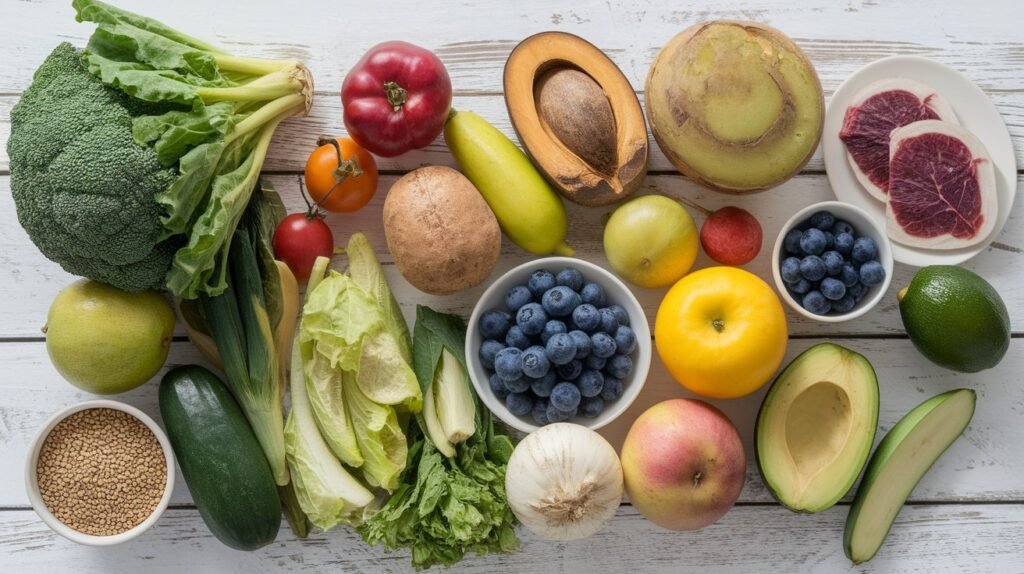
Recent studies indicate that going from the usual patterns of Western eating to longevity-optimized dietary changes could add up to six to nearly ten years to your life. The science of the longevity diet is not starvation nor extreme restriction; it is strategic food choices supported by decades of research.
What the Research Actually Shows About Longevity Diet Science
A 2024 study that looked at seven countries reported that 40-year-olds who followed longevity-oriented eating patterns added 6.2 to 9.7 years of life expectancy. The biggest contributors to these gains were increasing whole grains, legumes, and nuts and reducing processed meats and added sugars.
Want polished, research-backed blog content that keeps readers hooked? ➜ Tap here to hire professional writers and get started today.
Americans had the highest potential gain in life expectancy because of widespread consumption of processed meat and added sugars, combined with low intakes of longevity-promoting foods.
The Blue Zones Blueprint: Real-World Longevity Evidence
This means that only about 20% of longevity is determined by genetics, whereas 80% is influenced by lifestyle and environment. This finding transformed how researchers view aging.
Blue Zones—areas where people live to 100 with great regularity—provide the most robust real-world evidence for science on the longevity diet. These populations never tried to live to 100; they don’t count calories, take vitamins, or keep track of food intake.
Where Are These Longevity Hotspots?
These five Blue Zones include:
- Okinawa, Japan
- Sardinia, Italy
- Nicoya Peninsula, Costa Rica
- Ikaria, Greece
- Loma Linda, California
The Foods That Actually Extend Lifespan
The best longevity foods in the Blue Zones diet are leafy greens, and they include spinach, kale, beet and turnip tops, chard, and collards. In fact, studies show middle-aged people who consumed the equivalent of a cup of cooked greens daily were half as likely to die in the next four years.
Longevity diet science, which prioritizes:
- Legumes daily: Beans form the base for every longevity diet—black beans in Nicoya, lentils and white beans in the Mediterranean, soybeans in Okinawa.
- Whole grains: Barley was the food most highly correlated with longevity in Sardinia.
- Nuts and seeds: Healthy fats and longevity-promoting compounds come from regular consumption.
- Fish, not meat: The populations in Blue Zones eat fish up to three small portions a week, mainly sardines, anchovies, and cod.
The Controversy over Caloric Restriction
A 2024 study of 960 genetically diverse mice found that both caloric restriction and intermittent fasting resulted in lifespan extension proportional to the degree of restriction. But here’s the surprising part.
The mice that were on restrictive diets lived longest if they lost the least weight, despite eating less; animals that lost the most weight had compromised immune systems and shorter lives.
What This Means for Humans
The CALERIE trial demonstrated that restriction of calories reduced the rate of aging in healthy adults by 2-3 percent, which corresponds to a 10-15 percent mortality risk reduction, equivalent to quitting smoking.
Genetic factors had a far greater impact on lifespan than diets, with genetically-encoded resiliency being key: mice that maintained body weight, body fat percentage, and immune cell health during stress survived longest.
The 80% Rule: Portion Control Without Deprivation
Okinawans practice “hara hachi bu”, or eating until 80% full, rather than 100%. That ancient practice perfectly aligns with modern longevity diet science.
You don’t have to count calories in your sleep. Just stop eating before you’re full.
Timing Matters: When You Eat
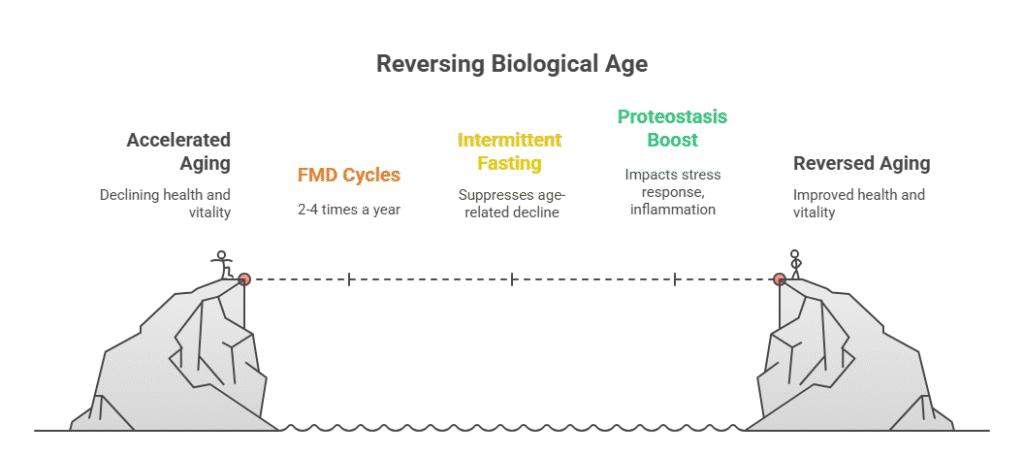
Taken 2-4 times a year, the FMD lowered biological age by an average of 2.5 years, doing so in as little as three monthly cycles. It is not theoretical; this is measured through aging biomarkers.
Intermittent fasting suppresses the age-related decline in proteostasis pathways and impacts both stress response and inflammation.
Plant-Based Power: The Foundation of Longevity
After 30 years of follow-up, higher adherence to plant-based dietary patterns was associated with greater odds of healthy aging across cognitive, physical, and mental health measures.
A study indicates that 30-year-old vegetarian Adventists are likely to outlive their meat-eating counterparts by as many as eight years.
The Quality of Plant Foods Matters
Not all plant-based diets are created equal. The specific types or food sources of dietary fat, protein, and carbohydrates are more important in influencing chronic disease risk and mortality than their quantity.
Focus on whole grains, legumes, vegetables, fruits, nuts, and seeds rather than processed plant-based products.
Beyond Food: Lifestyle Factors that Amplify Longevity
Besides diet, Blue Zones residents have other habits in common, including natural movement throughout the day, life purpose (called ikigai in Okinawa), stress reduction, social interconnection, and putting family first.
Longevity diet science shows food is just one piece of the puzzle.
Practical Steps to Start Your Longevity Diet Today
Make these changes this week:
- Add a half a cup of beans to one meal per day
- Replace refined grains with whole grains (choose barley, oats, or quinoa)
- Eat leafy greens with lunch or dinner
- Replace processed snacks with nuts in their raw form.
- Practice the 80% rule at your next meal
Emerging evidence suggests that potential health benefits originate from culinary herbs and spices, such as turmeric, common in most global cuisines. Season generously with herbs and spices to help boost both flavor and potentially longevity.
The Mediterranean and Nordic Advantage
Traditional diets, including the Mediterranean, Nordic, and Okinawa patterns, have been shown through research to demonstrate consistent benefits for longevity. The Nordic diet includes rapeseed oil rich in oleic acid, linoleic acid, and alpha-linolenic acid, with whole grains such as rye, barley, and oats, and a prominent consumption of berries.
You don’t have to follow one particular diet. The science with the longevity diet shows multiple patterns work, the key being to emphasize whole plant foods while minimizing processed ingredients.
What About Alcohol?
People in all Blue Zones except Adventists drink alcohol moderately and regularly—1 to 2 glasses daily with friends or food. Moderate drinking does show association with longevity, but you can’t save up all week for 14 drinks on Saturday.
Longevity Diet Science: The Bottom Line
The evidence is clear: Even small dietary changes, especially adding whole grains and legumes while reducing sugar-sweetened beverages, could add up to four years of life.
You don’t need perfection. You need consistency with foods that nourish rather than deplete.
The Longevity Diet Science: The healthiest people on Earth didn’t chase longevity; they built a food culture around whole, minimally processed ingredients and ate them with people they loved. You can start building that culture today.
Ready to Transform Your Health Message?
If you like creating health, longevity, and wellness-focused content like this, then what you need is a content strategy that reaches out to your target audience. At Press N’ Release Agency, we specialize in creating expert SEO blog content and press release distribution that positions your brand as an authority in the health and fitness space.
Our proven packages help businesses and bloggers amplify their message through:
- Premium press release distribution to 300+ high-quality publications
- SEO-optimized blog content that ranks and converts
- Strategic Keyword Research and Content Planning
- Fast turnaround with quality guarantees
Don’t let your valuable health insights go unnoticed. Contact Press N’ Release Agency today to discuss how our affordable packages can help increase visibility for you and establish your authority in the wellness industry. Your message deserves to reach the people who need it most.